

Experiential Marketing Is What Makes AI Actually Work for Your Brand
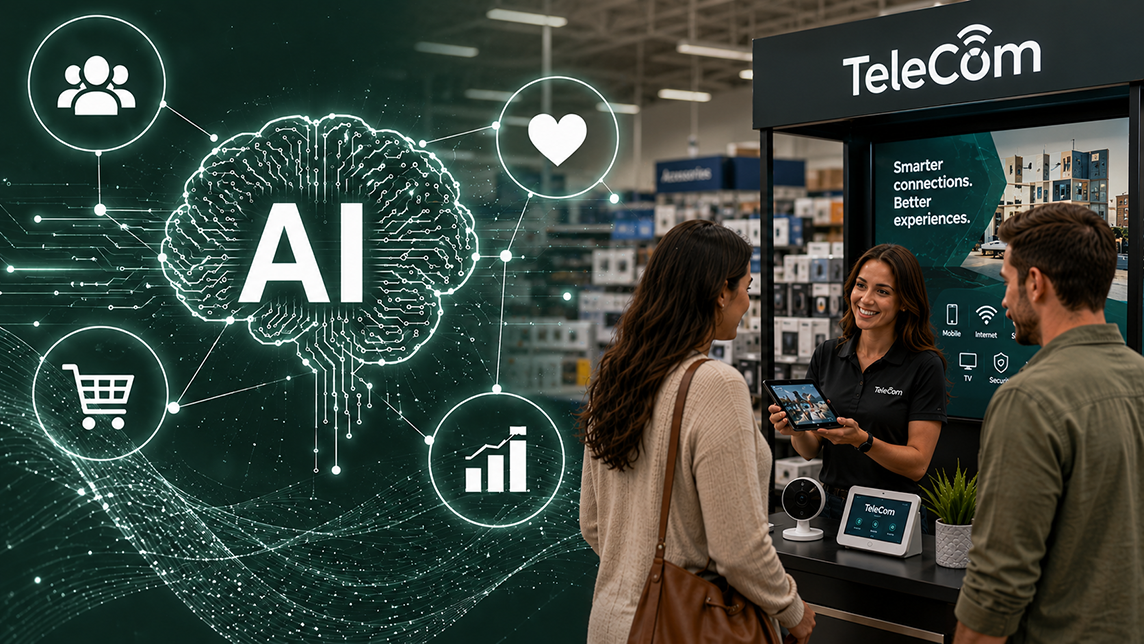
As an experiential marketing agency, our team hears the same debate from brands constantly. Old school versus new school. Human connection versus automation. It gets framed as a choice, and brands feel pressure to pick a side but it’s the wrong question.
The brands getting the most out of AI right now aren't the ones who went all in on automation and cut out the human moment. They figured out that AI is only as good as what you feed it, and that a real, in-person conversation is the best input there is.
Garbage In, Garbage Out Still Applies to AI
AI can score a lead, personalize a follow-up, and act on a signal within seconds. What it can't do is manufacture the signal in the first place. A cold web form fill or an ad click gives an automation system almost nothing to work with. No real context, no relationship, no proof the person is actually in a buying mindset. If you feed a smart system a weak lead, it just sends a fast, well-personalized message to someone who was never really interested.
This is where experiential marketing earns its place: not as the old school alternative to AI but as the thing that makes AI worth having.
What a Real Conversation Produces That a Click Can't
Picture a shopper stopping at an in-store display for a home improvement brand, the exact scenario our Leads at Retail program is built around. They're not quickly scrolling past an Facebook or LinkedIn ad. They're standing in the aisle they came to shop and already in a buying mindset shortly before talking to a real person about a real project. That five-minute conversation produces things a digital touchpoint simply doesn't.
A high-intent signal that can't be faked: Someone who stopped, engaged, and answered questions has self-selected in a way no click ever will. Whatever scoring model runs downstream starts from a genuinely hot lead.
Real context to personalize with: A rep conversation surfaces the project, the timeline, the budget range, the hesitation, the texture that makes a follow-up message sound like it's continuing a conversation instead of guessing at one.
A warm hand-off instead of a cold on:. When an automated follow-up lands after that conversation, it's picking up where a real person left off, which is a big part of why it gets opened, read, and answered at rates cold outreach rarely touches.
Clean, structured data at scale: A standardized in-store intake process across many locations produces consistent data, the kind that trains and sharpens a scoring or targeting model well, instead of the noisy signal most brands are stuck feeding their systems.
Urgency, captured while it's still real: Because the moment happens live, a brand can trigger a response within minutes, while the shopper is still mentally mid-project, instead of trying to manufacture urgency days later from a lead list gone cold.
We're Not Your AI. We're What Feeds It.
Here's the honest version of what we do. We place trained ambassadors inside high-traffic retail stores, we have real conversations with real shoppers, and we capture that lead on the spot. Then we route it straight into whatever system a brand is already running, their CRM (Salesforce, HubSpot), their marketing automation platform (Marketo, ActiveCampaign), their AI-driven scoring and follow-up (Salesforce Einstein, Apollo), or whatever their platform of choice happens to be
We don't necessarily build your AI stack but instead, we build the moment that gives it something worth acting on.
What Your AI Can Do With a Lead Like This
If a brand already has automated scoring, a lead like this shows up hot, with real signals to score against instead of a guess.
If a brand runs automated follow-up, that message can go out fast and reference an actual conversation instead of a generic "thanks for stopping by."
If a brand runs adaptive nurture sequences, they have real content to adapt to, what the shopper actually cared about, not assumptions.
None of that works on a cold click but all of it works on a lead that started as a real conversation.
The Bottom Line for Brand Partners
AI can scale a conversation, personalize a message, and act on a signal the instant it appears. Creating the moment that makes a stranger want to trust your brand in the first place still takes a person, standing at a table, in a store your customers already visit. (Insert photo of activation booth)
That's the part experiential marketing builds, and it's true on both sides of our business. It's why brands lean on our In-Store Partners retail relationships and our Leads at Retail activations alike. The AI layer on top makes sure that conversation turns into a fast, personalized, measurable path to a sale, rather than a business card.
LET’S TALK
Want to see what this looks like for your brand? Connect with our team to talk through where your customers already shop, and we'll show you how an in-store activation can feed a smarter, faster follow-up system on the back end.